

Almost every conversation we have with firms about AI starts from the same place, which is a quiet worry that it’s coming for people’s jobs.
We’d phrase it differently. AI in a professional services firm shouldn’t be about replacing anyone, and in the firms that are getting it right, it isn’t. Used well, it can give your team some time back.
Because when you think about where the hours actually go in a typical firm, it’s rarely the advice or the client meetings that swallow the week. It’s the admin around them: the formatting and the chasing, the summarising and the scheduling, all of it done by people you hired for their judgement rather than their typing speed.
The firms making AI work for them are winning back those lost hours so their people can spend more of the day on the things that actually move a matter forward, like the conversations, the judgement calls and the relationships that make a firm worth engaging in the first place.
That, for us, is the distinction worth holding onto. AI can do a lot, but it can’t do everything, and the firms that understand the difference tend to be the ones using it to make more room for the human side of the job rather than less.
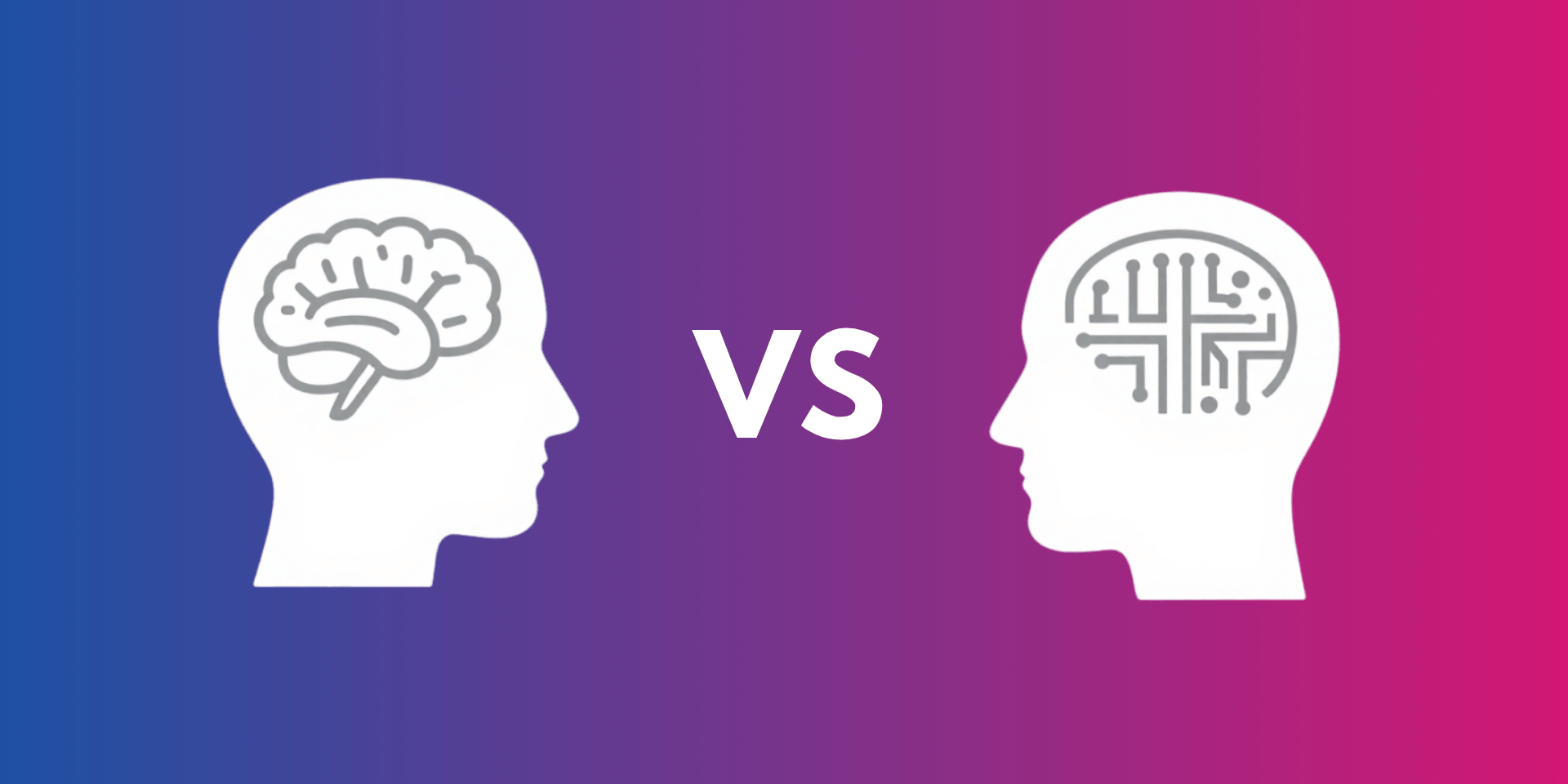
So here’s our honest take on where the line sits: ten things AI could and probably should be taking off your plate right now, and ten things your clients will always need a person for.
The ten things to hand over
None of these tasks is the reason your clients choose you, but every one of them eats into the hours your team could be spending on the work that is.
- Drafting standard client communications. Engagement letters, update emails and routine correspondence can all start life as an AI draft, as long as a human reads it, shapes it and makes it sound like your firm before it goes anywhere near a client.
- Summarising long documents, contracts and reports. A decent first-pass summary means your advisers start from the key points rather than wading in from page one.
- Scheduling appointments and sending reminders. Nobody went into professional practice to go back and forth over meeting times, and automated reminders quietly cut down on no-shows too.
- Generating first-draft content for your website and newsletters. AI makes a perfectly capable first-drafter, but the insight, the examples and the voice still have to come from your people, because readers can always tell when they don’t.
- Monitoring deadlines and flagging critical dates. Whether it’s filing deadlines, limitation dates, renewals or year-ends, automated tracking is more reliable than any spreadsheet and takes a constant background worry off someone’s shoulders.
- Transcribing meetings and calls. With an accurate transcript taken care of, people can actually listen in the meeting instead of making notes.
- Answering basic FAQ enquiries out of hours. A question like “what documents do I need?” in the evening doesn’t need a partner, it needs a good answer and a handover to a human in the morning.
- Formatting and proofreading documents. House style, tidy formatting and a typo check, sorted in moments.
- Pulling together data for reports and updates. Management information, client updates and marketing metrics can be compiled automatically and then reviewed by someone who knows what they mean.
- Managing routine social media scheduling. Your planned, evergreen content can sit in a queue, which leaves your people free for the real-time engagement that machines can’t do.
The ten things to hold onto
This is the other half of the equation, and if anything it’s the half that matters more, because professional services are bought on trust and trust is built between people.
- The first call after something goes wrong. When a client is worried, frightened or angry, the last thing they want to hear is an automated response.
- Explaining complex advice in plain English, with empathy. Whether it’s a legal position, a tax liability or an investment risk, translating it well is about knowing what this particular client, in this particular situation, needs to hear and how they need to hear it.
- Reading the room in a difficult meeting. Sensing the tension, noticing what isn’t being said and adjusting course accordingly is something no tool can do for you.
- Building a relationship that earns repeat business and referrals. Nobody has ever referred a friend to a workflow.
- Knowing when to pause and when to push. That sort of timing comes from years of experience, not from patterns in data.
- Handling the unexpected with good judgement. AI is brilliant when things follow a pattern, and professional life is full of situations that don’t.
- Giving an honest opinion when a client needs to hear it. Sometimes the most valuable advice is the advice a client doesn’t want, delivered by someone who cares enough to say it well.
- Being present at the moments that matter. A completion, a settlement, a year-end sign-off or the closing of a deal is a milestone in someone’s life or business, and being there for it is part of the service.
- Earning trust over time. Trust builds through consistency, honesty and showing up for a client, engagement after engagement.
- Caring about the outcome, not just the process. Clients can always tell the difference, and it’s often the reason they stay.
Spot the pattern?
Put the two lists side by side and it jumps out at you: everything AI does well is process, and everything clients value most is personal!
Which is why we’d argue that the smartest use of AI in a firm isn’t really a technology decision at all but more of a strategic one. It starts with deciding what your firm wants to be known for and working out where your people’s time creates the most value, and then automating deliberately around that as part of a proper marketing plan and marketing strategy, rather than adopting tools ad hoc and hoping the hours saved land somewhere useful. It’s the same thinking that sits behind the fundamentals of digital marketing for any professional firm, because the technology is only ever as valuable as the human thinking behind it.
AI will keep getting better at the first list, and it won’t get meaningfully better at the second. The firms that thrive will be the ones that let the technology handle the process so their people can own their relationships better.
So, how human is your firm’s marketing?
It’s worth asking, because this balance between process handled by machines and relationships owned by people applies to your marketing just as much as it does to your client work. If your content, your social media and your communications have quietly drifted towards the robotic, chances are your clients noticed before you did.
We’ve built a short scorecard to help you find out where your firm sits. It takes a few minutes to complete and gives you a personalised report showing where your marketing is genuinely human and where the machines have taken over. You can take the How Human Is Your Firm’s Marketing? scorecard here.
AI should give your team their time back, not replace them. What to hand over, what to hold onto, and why the human side is the bit worth protecting.